Walk, bike, or wander long enough through San Francisco these days, and you're bound to stumble into something monumental — a shimmering serpent blowing bubbles in Golden Gate Park, a bronze woman in mid-motion at Embarcadero Plaza, a pair of oversized lips greeting visitors on the waterfront. These aren't one-off installations. They're part of Big Art Loop, one of the most ambitious public art initiatives in the country, and it's reshaping how a major American city relates to large-scale sculpture.
How It Started
Big Art Loop began from an unconventional belief that Big Art can be a magnet to attract people, jobs, and investment to a city. The initiative was launched officially in September 2025, when Mayor Daniel Lurie joined the Sijbrandij Foundation (established by Sid Sijbrandij, co-founder of GitLab) to announce the initiative to the public. The curation and operations were led by Building 180 — a SF-based production and consulting agency with nearly a decade of experience managing large-scale artworks in civic spaces. By the time of the official launch, eight sculptures were already installed across the city, with a dozen more in process, backed by more than $2 million in first-year funding.
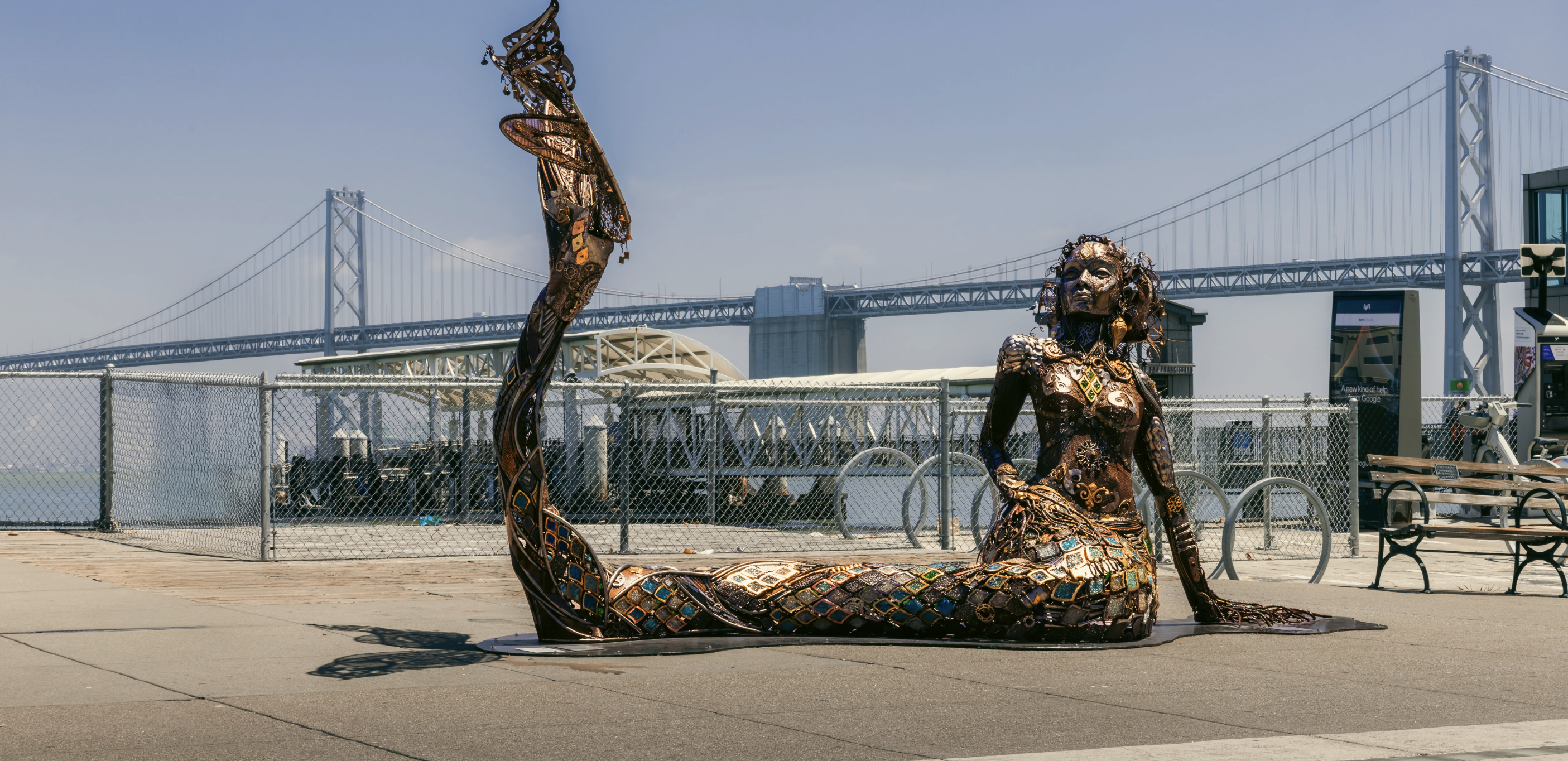
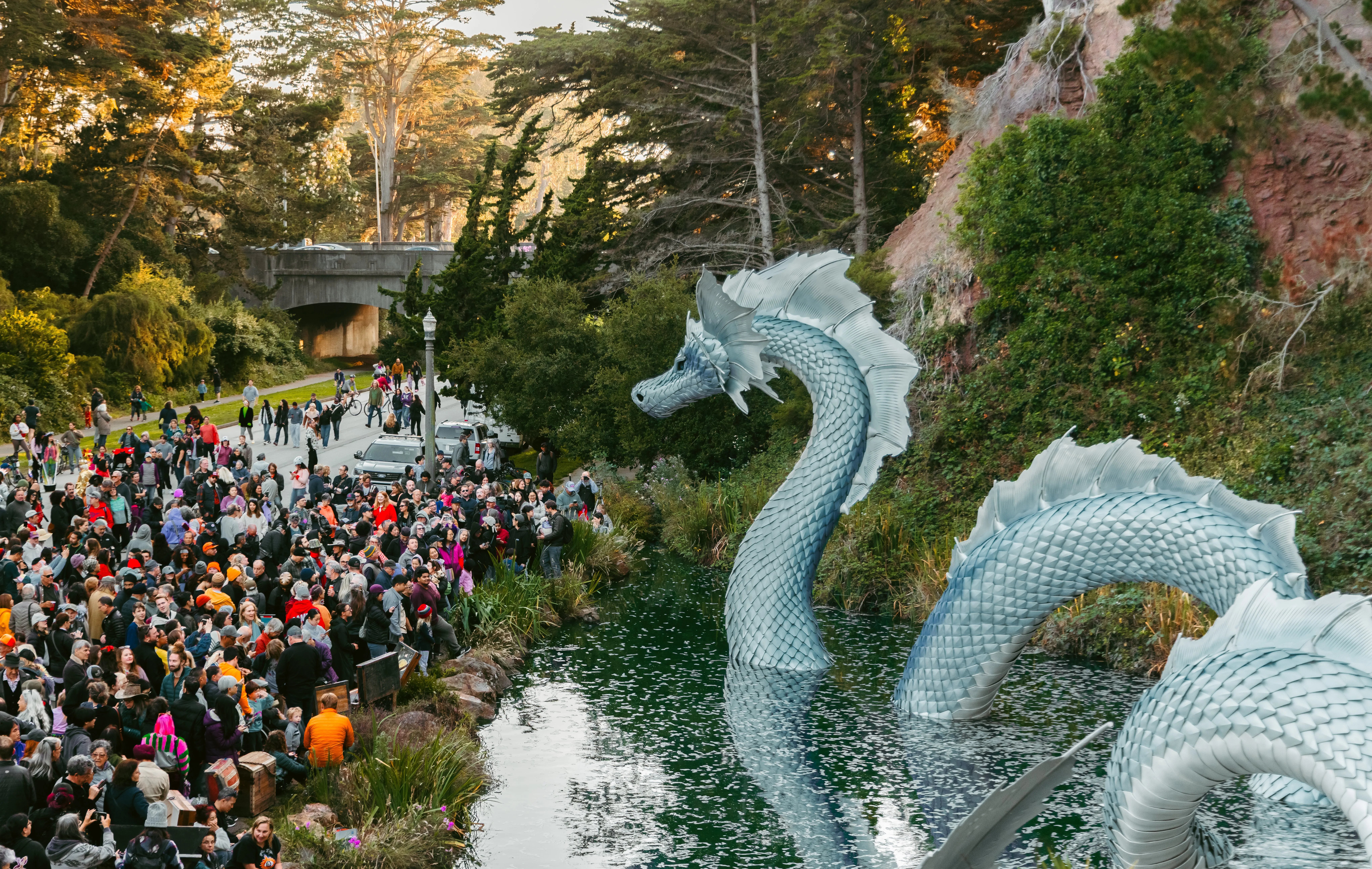 Naga by Cjay Roughgarden, Stephanie Shipman, and Jacquelyn Scott, Photo byMasaki Omori
Because Big Art Loop is privately funded, it has been able to move at a pace that's unusual for public art. Still, CEO Aliza Marks and her board have been intentional about doing things by the book, working through the city's existing approval processes and partnering with agencies including the Recreation and Park Department, the Port of San Francisco, and the Office of Economic and Workforce Development, along with neighborhood and community groups.
The goals
The vision is bold: bring up to 100 large-scale, temporary sculptures to San Francisco over three years, connected by a 34-mile walkable and bikeable trail looping through the city's neighborhoods — from Sunset Dunes to the Embarcadero to the Bayview District and beyond. The works, ranging from 12 to 55 feet tall, span themes of ecology, play, mythology, and transformation, created in a mix of steel, mosaic, sound, and motion. Beyond the art itself, organizers describe the goal as strengthening civic pride, drawing foot traffic and investment into public spaces, and making world-class sculpture part of everyday life — free and accessible to everyone.
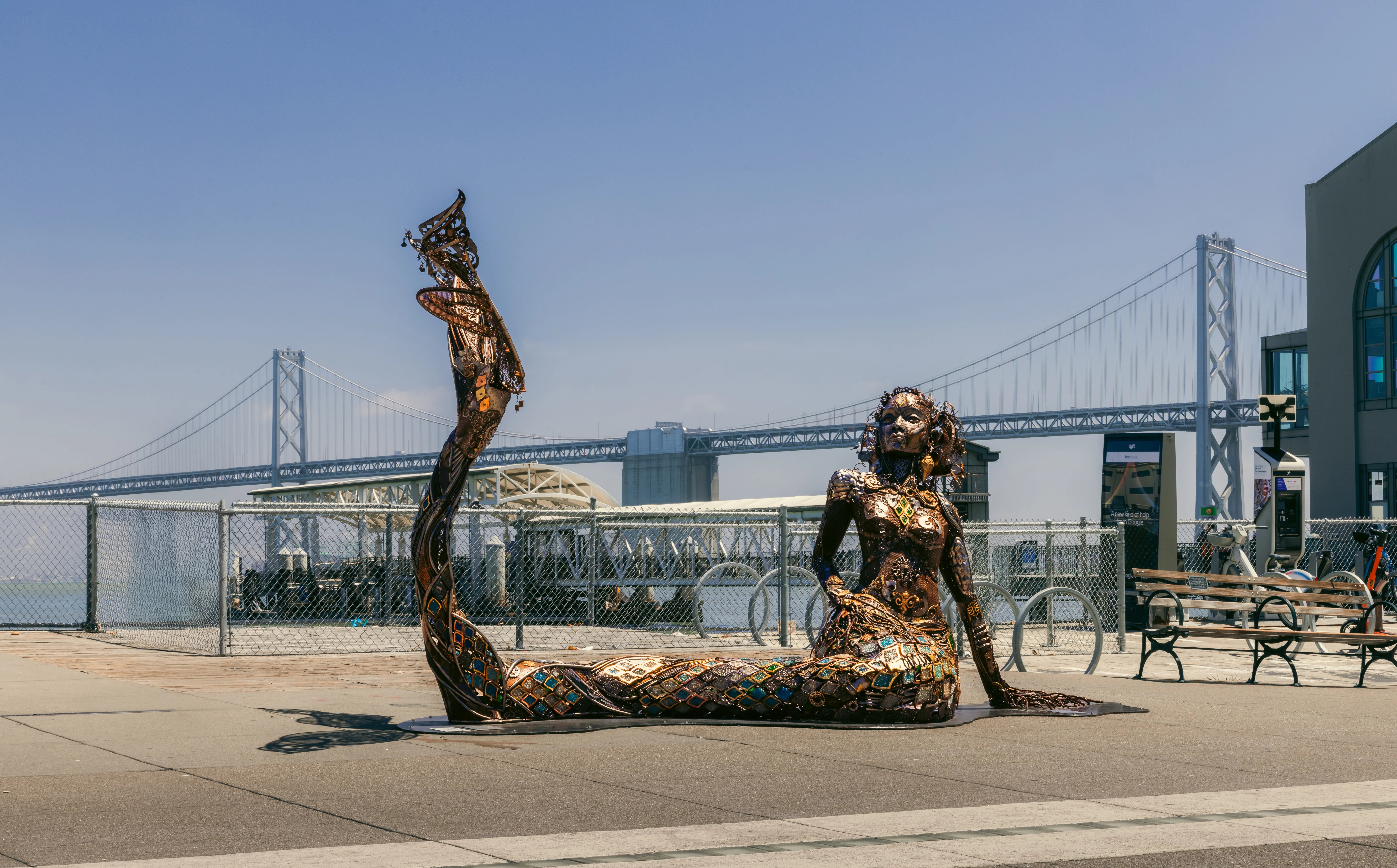 Coralee by Dana Albany, Photo by Masaki Omori
Progress to date
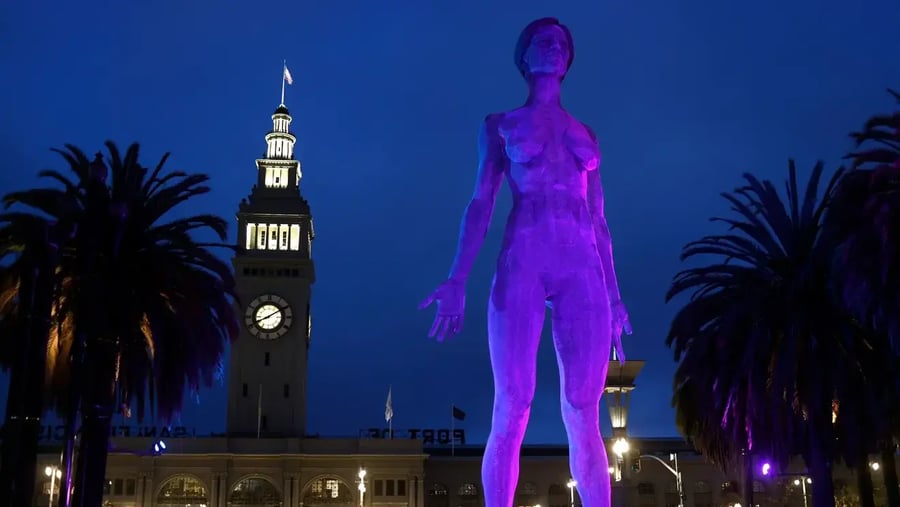
As of summer 2026, over 20 sculptures had been installed across the Loop, including standout pieces like R-Evolution by Marco Cochrane (named a must-see by the Los Angeles Times), Coralee by Dana Albany at Pier 1/2, and Naga by Cjay Roughgarden, the glowing serpent in Golden Gate Park. The Portside segment along the waterfront — a partnership between the Port of San Francisco, Building 180, Big Art Loop, and the Downtown SF Partnership — has emerged as the most developed stretch so far, anchored by pieces running from Fisherman's Wharf to Heron's Head Park.
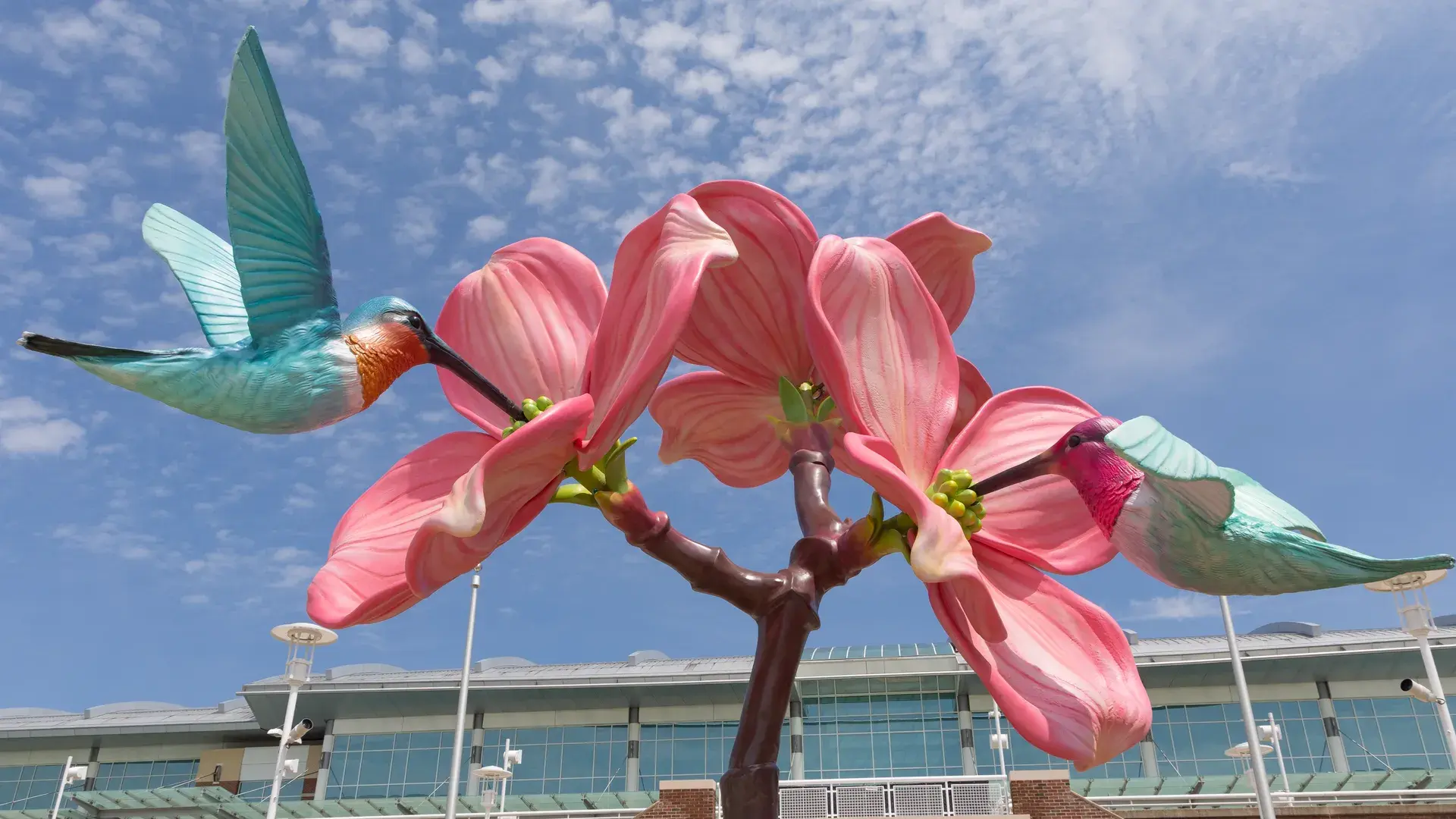
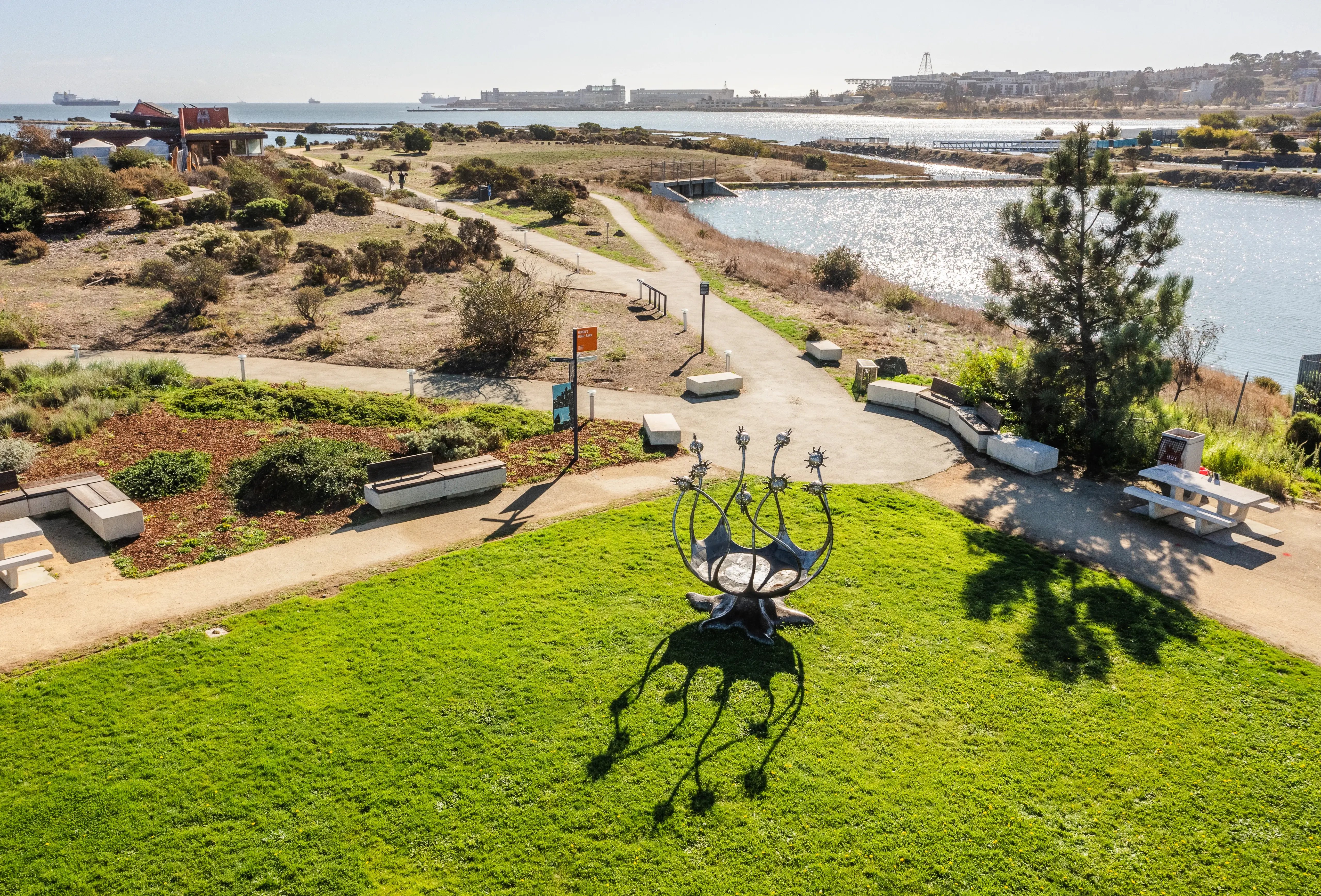 Bloom by Michael Christian, Photo by Masaki Omori
Coming to CODAsummit
Big Art Loop's story is still being written — and this fall, the people behind it will share what's next directly with the CODAworx community. Shannon Riley and Meredith Winner, co-founders of Big Art Loop, will deliver the Creative Revolutionaries Keynote Address at CODAsummit Santa Fe, September 29–October 1, 2026. It's a rare chance to hear firsthand how a privately funded, radically fast-moving initiative is transforming an entire city into an open-air gallery — and what other cities and commissioners might learn from it.